When you get sick, what's the first thing you do? Maybe you call your doctor and make an appointment, or you might go to bed and lie down. If you have a serious injury, you may go to hospital, or call for an ambulance. You treat your body, you try to fix it or make it better. But do you ever consider restoring your inner self? Nourishment for your inner mental self is vital.
Many people now understand that illness Is not merely a physical problem, but may stem from a source that your Western medical doctor would not consider. In general, Western medicine is not usually concerned with the cause of illness, just the remedy. That makes sense when you're dealing with a physical bone-breaking injury... It doesn't matter what model vehicle hit you and caused the break in your leg, it just matters that the bones are set so it can heal. That's not so true if the doctor is helping someone who has a heart attack. The urgent need is to help the person immediately recover, but in the long run, the patient may have another heart attack if the cause is not found.
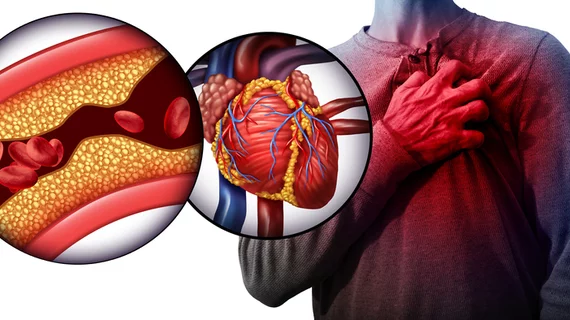
Some connections between life and illness are commonplace and everyone "gets it", like with a heart attack. One of the first questions from a doctor will be about what's going on in the patient's life. The doctor understands the emotional stress of life can cause a heart attack. Another example is when the kids are screaming and yelling (maybe just playing loudly) and mom or dad are trying to concentrate on getting something done, which requires quiet, mom or dad will probably become upset with the kids and end up with a big headache! When anyone is worried and nervous about let's say, taking an exam in school, or the results of a medical test, they can feel sick to their stomach. Something like this has happened to most people at one time or another. It is obvious that the physical symptom stems from the emotions being felt. The same is true with any illness.
You may have known someone who suddenly felt much better after a divorce, or after they changed jobs. Maybe that person was you. If you're trying to help yourself through any illness, it's important to look at the possible causes, so that when you get better you stay better. How many people have cancer, and get a clean bill of health, only to have the cancer return years later? Or, someone has several heart attacks. Some people are seemingly plagued with poor health, they recover from one illness just to have another pop up.
Everyone has had a traumatic experience at some point in their lives. It could be big or small. What seems big to one person may seem small to another. Many people believe that unresolved trauma eventually leads to illness. We all know what it feels like, physically, to hold onto anger towards someone else. It may manifest in several ways, maybe an ulcer, or migraine headaches, among other things. When you're no longer angry, your physical symptoms disappear... the ulcer goes away, and the migraines stop. So, if you're going through an illness of any kind, maybe you need to think about what's going on in your life at the moment, or what's happened in the past that perhaps you've never resolved.
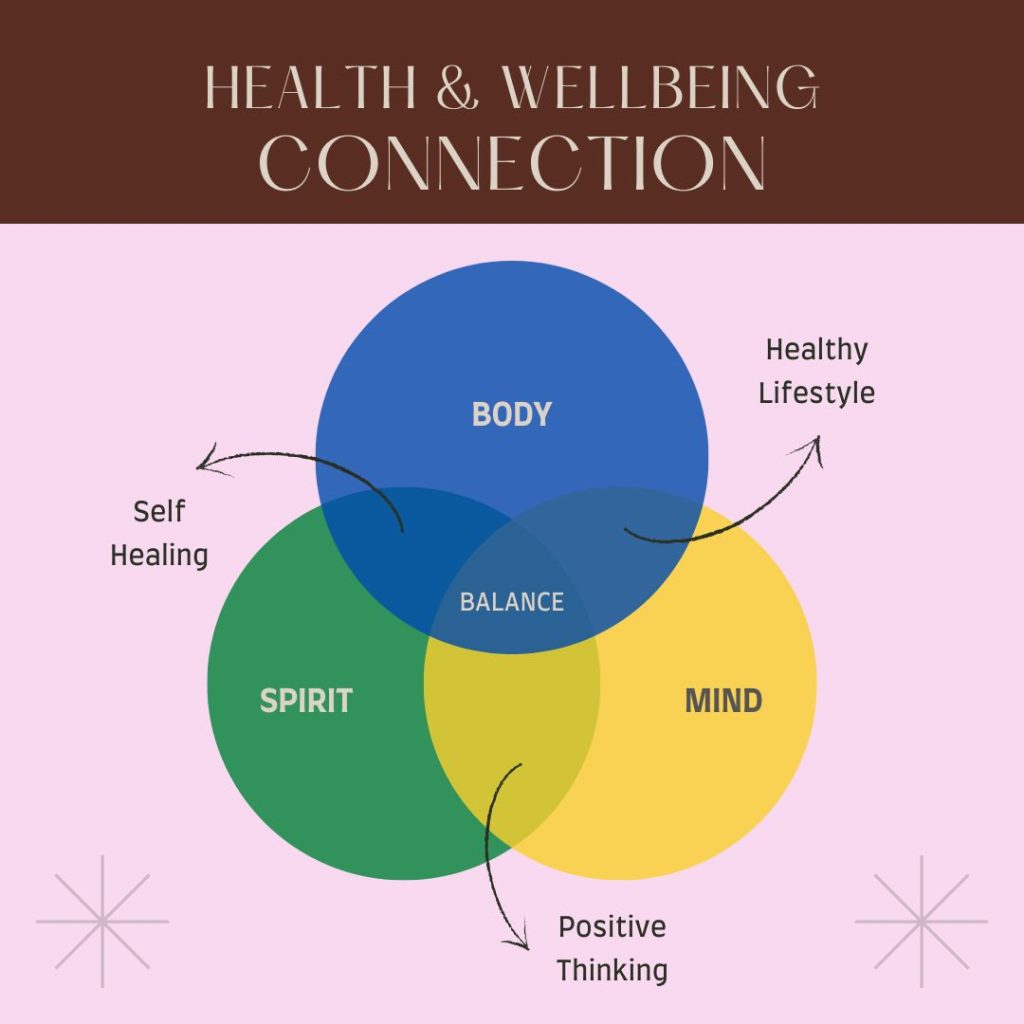
Dr Gabor Maté is a world-renowned physician who believes that many chronic illnesses and mental health issues stem from unresolved psychological trauma. In his book, "The Myth of Normal: Trauma, Illness, and Healing in a Toxic Culture”, he emphasizes that trauma can lead to a range of physical ailments, as the mind and body are deeply interconnected.
Dr. Gabor Mate´ suggests exploring past trauma begins with self-awareness and self-compassion,. He emphasizes the importance of acknowledging and accepting one's emotions and experiences without judgment. Here are some steps he recommends:
- Reflect on Your Past: Take time to think about your childhood and any significant events that may have impacted you.
- Seek Professional Help: Therapy, especially trauma-informed therapy, can provide a safe space to explore and process past experiences.
- Practice Mindfulness: Techniques like meditation and mindfulness can help you stay present and become more aware of your emotional responses.
- Build a Support System: Surround yourself with supportive people who can help you on your journey to healing.
- Be Patient and Gentle with Yourself: Healing is a process that takes time, and it's important to be kind to yourself along the way.
Lazarus often uses meditations in the Healing Choices, Optimum Healing class. The class usually ends with a reminder from Lazarus to be kind to ourselves. It seems to this writer that Dr Gabor Maté and Lazarus both have similar techniques when it comes to healing.
Besides Dr Maté's methods, there are many ways to nourish your inner self. Some people find that connecting to God/Source helps. That can mean attending a church service, or something as simple as practicing gratitude, or any number of things. Finding joy in a hobby, or helping someone else can also provide inner and mental nourishment. A simple walk outside in nature can help. If you can't get out, buy a plant and help it thrive. Put a bird feeder outside your window so you can watch the birds (and probably squirrels trying to steal seed), I guarantee you'll feel a connection to nature, and it will nourish your inner self. Find what makes you happy. When you nourish your inner self, it goes a long way towards healing your physical body.