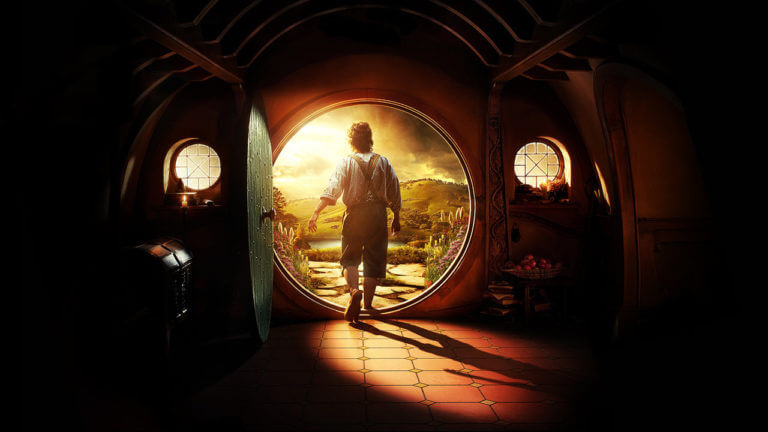
The Hero's Journey is one of facing the unknown, the risks, the dangers and the spiritual growth that happens when we face our challenges
As we approach the New Year, I am reminded of the festivals of traditional cultures that marked the turning point in a way which is alien to modern culture, but which we would benefit from if it was part of our lives. One of the great writers and researchers in anthropology was Mircea Eliade. He described the traditional cultures as having a different relationship with time than ourselves. In this short article, I hope to show you some of that differences and why it is relevant to us and our healing journey.
In traditional cultures, there were two types of time, sacred and profane. Profane time was ordinary, every day, not special. Sacred time was extraordinary, holy, significantly different from profane. Any person with knowledge of religion can relate to the idea of these different times. The difference that Eliade points out is more than religious customs. Sacred time was a reunification with the transcendent in one form or another, and profane time was the expression of that unity in everyday life.
Typically, sacred times were expressed through ceremonies and festivals that offered a way for the people to take part in something that was more than their ego, more than their personal ordinary experience. By taking part and experiencing the Sacred, the individual was opening themselves to a deeper aspect of reality, that surrender gave its own non-material reward and was often personified in heroic mythology.
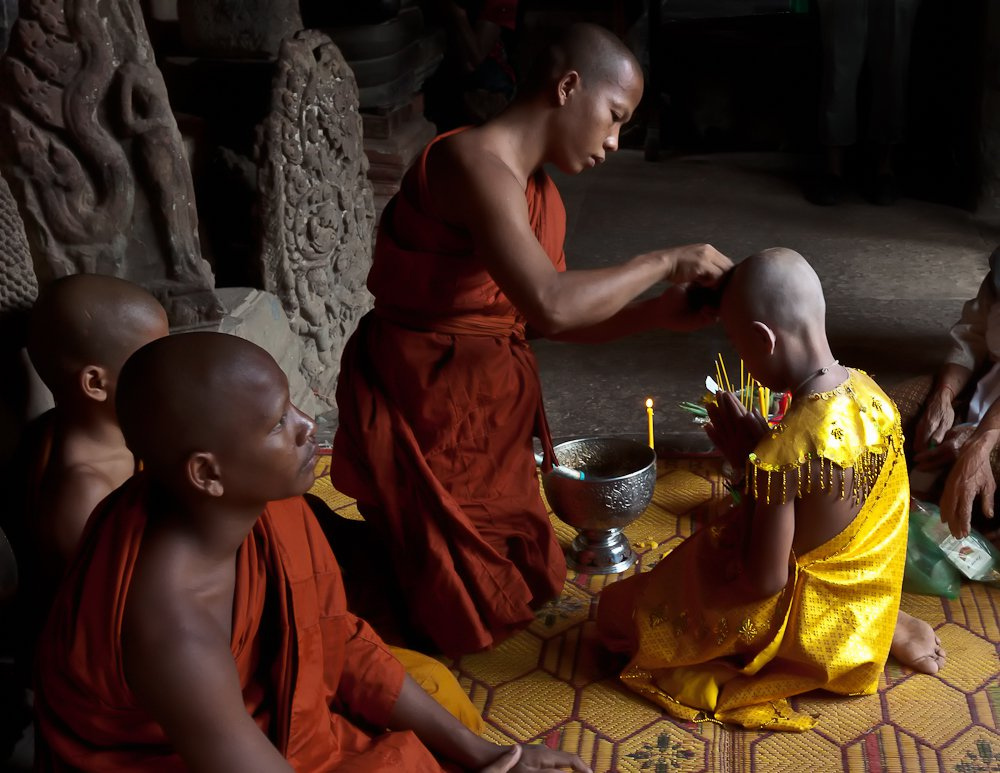
We could relate it to growing up. In modern society, growing up is mainly external, developing skills like discipline, communication, daring, obedience etc. The success of this is questionable. In traditional culture, they used ceremonies of initiation to open the child to aspects of adulthood. Those initiations prepared the child for the journey; they were beginnings, not endpoints. The nature of education in those times was through transmission in the form of apprenticeship, learning through doing and relationship with an elder; so the individual matured, they didn't just accumulate more information.
The basic meaning of tradition is to hand over, transfer or transmit. What was being passed on was the inner knowledge, the keys of understanding. They used symbols usually drawn from their mythology. Symbols are a way of expressing an idea without using concepts or words (we use concepts and words to explain them). Those symbols were not explained, they were experienced through festivals and ceremonies.
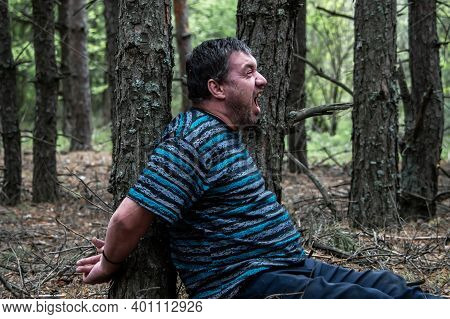
For example, the child is tied to a tree in the forest overnight, something similar happened to a hero in their mythology. The experience is a re-enactment of something that has taken place in sacred time. By leaving profane time or ordinary experience, the child entered sacred time and discovered that he has within what the hero has within. He has discovered a deeper knowledge, appreciation or responsibility which he didn't have as a child.
You can imagine the fear that was faced in the dark, in the isolation, and the value afterwards in recognition as someone who has faced their fear, the strength that develops. Sacred time brought about natural transformation to enable us humans to realise our potential. Midwinter gives us an experience of transition in nature from days getting shorter (dying) to days getting longer (living); the sacred time linking these opposite movements of nature.
That specific sacred time is known as the New Year and celebrated in all cultures. They observed the change in nature and worked with that. Nature is renewed by its act of death and rebirth. They renewed themselves by taking part in the death and rebirth of nature and themselves. The hero in the example may symbolise nature, the adult can reconnect with the hero's journey by repeating aspects of the hero's life, lifting himself out of the profane and connecting with the transcendent, gaining a direction which has more meaning than superficial desires. Joseph Campbell, author of Hero of A Thousand Faces, gave modern forms to these ancient customs.
What does it have to do with us? We're certainly not going to tie ourselves up a tree overnight in the middle of the forest! At the same time, the more we are able to face our fears, the greater our capacity to heal. I know we have courage, courage has enabled us to get to where we are to read this. I also know that we have to be careful about facing all our fears, it can be overwhelming if we get stuck too intensely in our fears. To use the symbol of light and darkness, we should be careful of not getting lost in the dark on the way to finding the light of healing. We can prepare for our rebirth in the New Year as someone who will be more capable of facing his darkness. For example, we can spend fifteen minutes a day internally facing fears, without trying to do anything about them. It is the time spent facing which brings about transformation and change takes place naturally.
Joseph Campbell described the transformation personified by the hero as the hero's journey. At first the hero is not a hero, they are or appear ordinary. Something upsets the stability of ordinary life, and thus begins the heroic journey. We can relate to that, the loss of our health knocked us off our balance, destroyed the illusions we had of an easier life and gave us challenges which are almost insurmountable. The hero's journey is facing these challenges and transforming through them.
This is what I wish for you in the next twelve months – to face our challenges and be transformed. Since the solstice is almost upon us, I suggest doing something that symbolically leaves some of the past behind. This could be deleting files, clearing out clothes, letting go of protecting the feeling of others – and starting the new year with more space and strength than we finished it. This step prepares us for the journey ahead. Have a wonderful transformative year.