12 Step Tradition Applied to ALS
by Lazarus Ember
12 Step Tradition for ALS
From January to August 2024, every 2nd week we spent a session reviewing the steps of 12 Step Tradition to see what we could learn from the knowledge they accumulated. We picked the ACA 12 Step as a guide as it deals directly with childhood traumas and how childhood trauma adversely effect people later in life. We picked it, not to focus on our childhood trauma but to focus on the trauma of losing one's health, the trauma of not being able to do the things one used to, the trauma of living with a degenerative illness, the trauma of being misunderstood, of losing relationships, career and even family.
Our goal here in HealingChoices is to support the movement from the health we have to a healthier state, as we move to a healthier state mentally and emotionally, our body is also uplifted. When we are peaceful with traumas, past or present, their stressful effect no longer drags us down and we realise that despite our medical condition, we are still able to heal. the methods we develop and practice can be used for the rest of our lives, independent of any other results. By examining the knowledge of 12 Steps and applying it to our situation, we discover steps of healing which may have eluded us in the past.
Step 1
We admitted we were powerless over the effects of living with alcoholism and that our lives had become unmanageable
We accepted that we were suffering from an illness which overwhelmed us causing us additional stress and suffering
Step 1 is admitting that we are at times failing to cope with our reality. At the stage that our group is at, everyone is diagnosed to varying degrees and suffers from the natural reluctance to acknowledge the profound factual changes in our lives which have no simple or complex solution. Losing our health is a devastating experience. It is the loss of our lives whilst we remain alive. Whether our symptoms are related to a neuro degenerate disease like ALS or an auto-immune illness, the loss and continued losing of our functionality is devastating. Like childhood trauma, it is not something we chose, it is something we have to find a way of living with. it effects our physical ability and it often effects our emotional and mental abilities. WE go through changes that we are not prepared for, so we naturally reject it. Who wants to think that they have a life altering or life ending illness? One of the elements that is overwhelming is the fact that the behaviours we had in the past may no longer be useful or suitable. We become unable to live the life we lived, our habits are unfulfilled and unfulfillable. This creates frustration, anger, depression and the other unpleasant feelings. The behaviours that we had no longer sustain our new circumstances.
This is similar to all the 12 Step traditions which deal with behaviours that no longer work for whatever reasons. Behaviours that are difficult to change because they are ingrained in our unconscious self, usually with childhood origins. Sometimes the childhood trauma is not obvious. It includes the demand for us as children to live up to parental expectations. The family might appear supporting, but it is actually demanding and doesn't recognise the needs of the child. This typically leads to a type of isolation and feelings of not being good enough or needing to be perfect. These deeply rooted feelings become the unconscious basis of our personality and how it works. Later in life the adult looks to have these feelings repeated in their environment because it is unconsciously familiar. So even though the feelings are unpleasant, the adult seeks them because it's what they know without even thinking and they may lead to a breakdown, social or addiction problems or other behaviour which undermines the quality and potential happiness in ones life. It takes a great deal of work to unravel the causes of problems and to develop healthier behaviours.
WE are not here to that unraveling, it takes a level of sharing personal information that some of you are physically incapable of doing. We are not running a 12 Step group which has a particular format that practically doesn't work for us. We will review the steps, working through them, taking what is useful. I realise that, since you are reading this, you may have already accepted your medical condition, but i think we can still benefit from accepting the damage that it has done to our lives, recognising the difficulties that we encounter, not just as symptoms of the illness but how those symptoms have undermined our ability to live and how we have been overwhelmed by their effects. Feeling overwhelmed, particularly without a way out, is a hellish feeling. We avoid feeling overwhelmed, that avoidance is often a traumatic behaviour in itself: because we are avoiding our own reality - which isn't logical. We probably grew up in an environment where some aspects of reality were ignored or denied and we learned to behave with a similar response.In this example the ACA 12 Step and our reaction to chronic health condition can be seen.

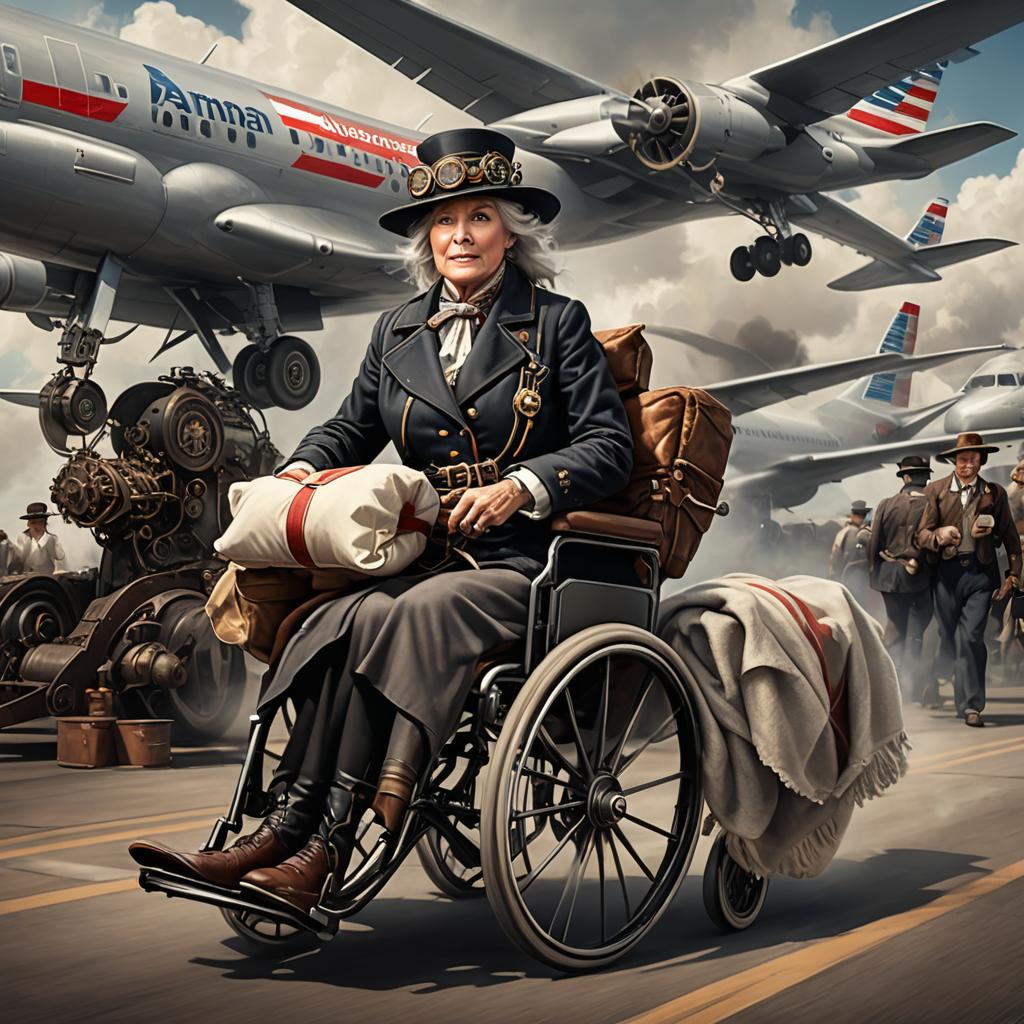
I've found it easiest to have one large duffel bag to pack all of my pads, pillows, and blankets into. Sleeping on a memory foam pad means it doesn't matter what the hotel mattress feels like, I'll still have the comfort level I'm used to. Hint for comfort; an airplane pillow is great for propping up arms, and legs, as a lumbar cushion, etc.. Whenever my family flies, they swipe a pillow for me! Blankets too! I pack my own throw blankets for hotel stays, as regular Queen /King bedding is too big and heavy for me (even at home), I prefer small, lightweight layers. Airplane blankets are the perfect size. There was a time when I didn't think twice about taking a pillow or blanket from my air flight.
I actually thought they were considered disposable. Now I'm pretty sure they reuse them. Whenever I took them, I didn't hide the fact that I was de-planing with a pillow and blanket in hand, and I don't know if it was the wheelchair or my smile, but I've never had a stewardess say anything about it.
Once you get your list together, save it! You don't want to go through this every time you go somewhere. I have mine saved on my computer, which makes it easy to make changes as needed and add things I may have forgotten for the next trip. After you've packed, you're ready to go! Remember, things may not always go perfectly when traveling, but you can usually make do if necessary, Also, every trip gets easier. After a couple of trips, things will go more smoothly. Just take your time and have fun! Don’t let illness stop you from enjoying your life.